
Before loading the truck for a planned hunt, decide whether the trip is ready to happen. That means more than checking the forecast: confirm that your license and permissions are current, your equipment works as intended, and you know what will happen after a shot. This is the practical side of pre-season hunting preparation. An evening check at the kitchen table can prevent rushed choices, avoidable inconvenience and ethical problems in the field.
The decision starts with the permit, not the pack
First verify the rules for the exact place and species you intend to hunt. Regulations can differ by jurisdiction, season, weapon, animal, tag, reporting method and access area. They may also change after you have relied on information from a previous season. Check current guidance from the responsible wildlife agency, land manager or other official source instead of an old screenshot, a friend's memory or a retailer's summary.
Keep the relevant information available without a signal: license details, tag requirements, season dates, legal shooting hours, method restrictions and reporting instructions. Carry written permission for private land when appropriate, and confirm boundaries before setting out. If a rule is unclear, pause the plan and ask the agency. A delayed trip is easier to manage than a preventable violation.
The same check should answer a less obvious question: is the opportunity suitable for your current skill level? If you have not practiced from the positions or distances you expect to use, changing the plan may be the ethical choice.
Turn the route and weather into a go-or-no-go plan
A map is useful only when it changes a decision. Review the access route, parking options, terrain, likely entry and exit paths, nearby homes or roads, and any locations where a shot could create an unsafe or difficult recovery. Mark a fallback location in case wind, visibility, water levels or public access make the original plan unsuitable.
Weather deserves more than a glance at the temperature. Consider whether rain could make the route hazardous, wind could make a safe shot less likely, or heat could complicate meat care after a successful hunt. You do not need to predict the day perfectly; you need a threshold for stopping, relocating or going home.
Tell a trusted person where you are going, when you expect to return and what to do if plans change. Carry a charged phone, but do not treat reception as a safety system. A small light, basic first-aid supplies, water and clothing suited to changing conditions belong in the plan even when the forecast looks favorable.
Build a gear system that reveals weak points
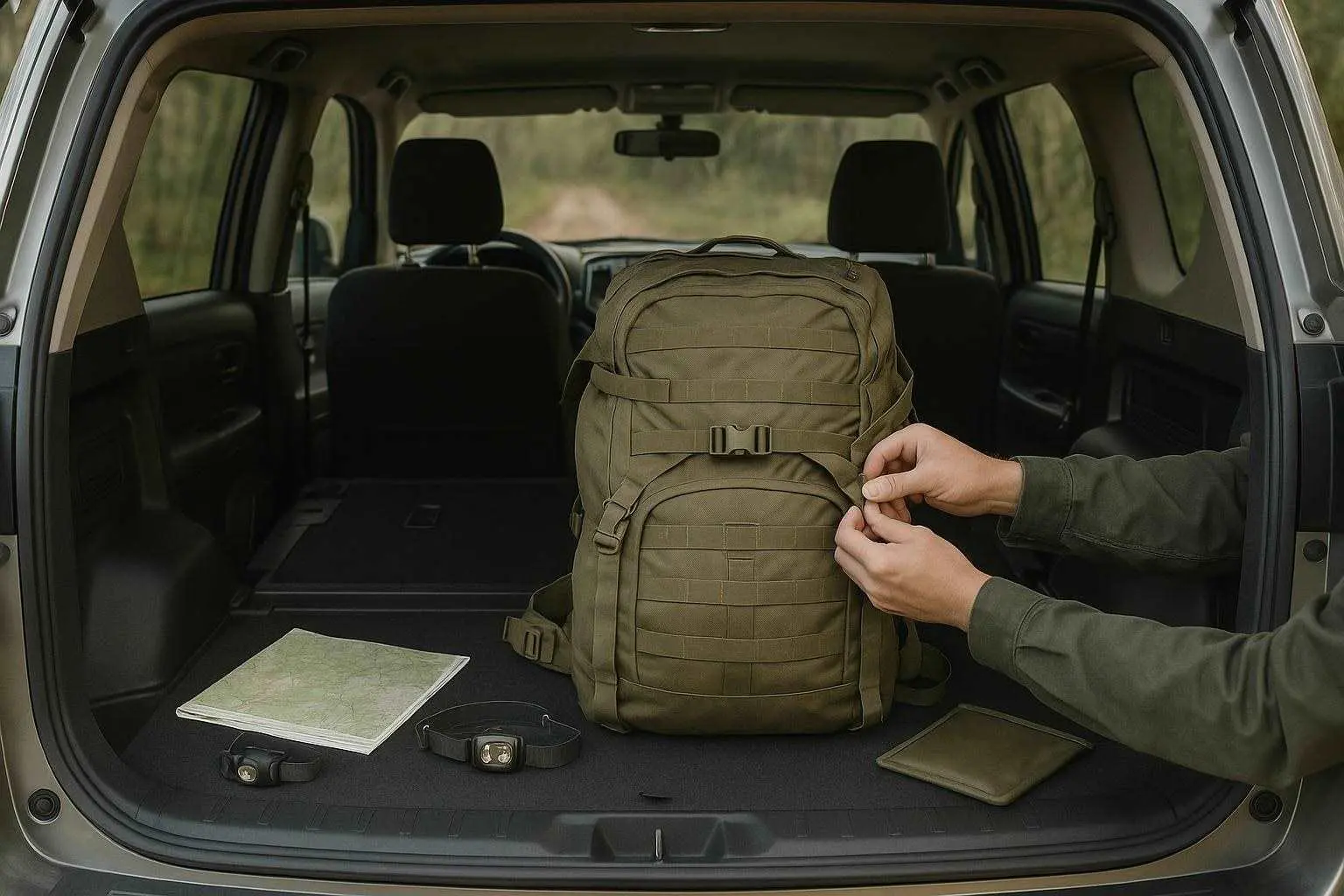
A hunting gear checklist should expose failures before they matter, not encourage you to add equipment for its own sake. Lay out items in the order you will use them: legal documents, clothing, navigation, optics, field tools, food and water, then transport and recovery supplies. This makes missing or duplicated items easier to spot.
Use this short check at home:
– Confirm that licenses, tags, permissions and required identification are together and protected from weather.
– Inspect footwear, clothing layers, pack straps, batteries, lights and navigation tools.
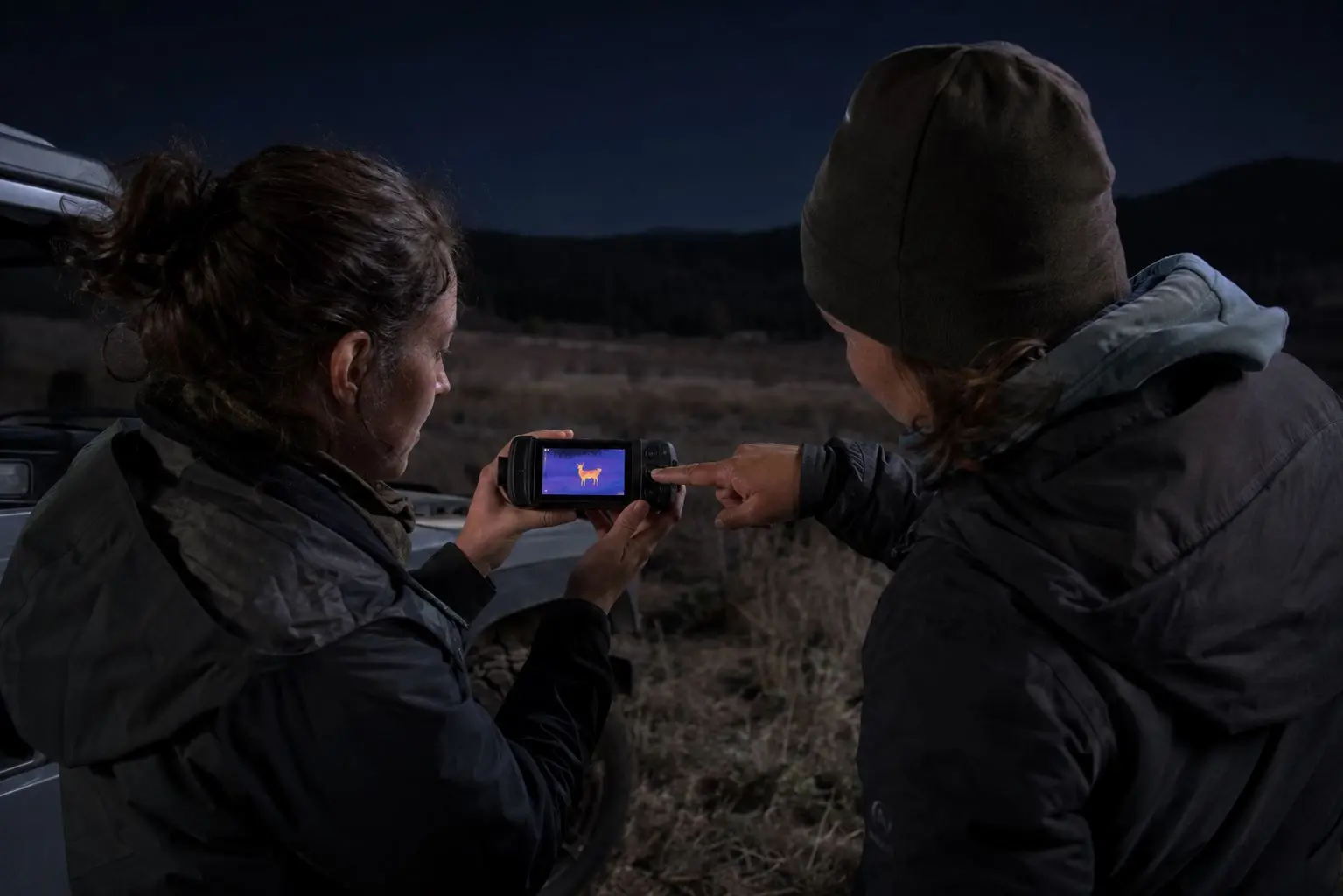
– Check that optics are clean and communication devices function as expected.
– Practice with equipment in the conditions and positions you may use in the field.
– Prepare a clean method for handling, cooling and transporting game if the hunt succeeds.
– Remove items that add bulk, noise or confusion without solving a real problem.
The last point is easy to overlook. A lighter, familiar kit can be more useful than a crowded pack full of equipment you have never handled. Gear should support legal, safe and humane decisions, not tempt you to stretch a shot, enter unsuitable terrain or continue after conditions change.
Let ethics shape the shot and the recovery plan
Ethical hunting is not limited to the moment of aiming. It begins with choosing a lawful opportunity and knowing your limits. Before leaving home, define the conditions under which you will not take a shot: poor visibility, uncertain identification, an unsafe background, excessive distance, unstable footing or an angle that makes a clean result unlikely.
Decide what recovery will require. Consider the terrain, available daylight, weather, and whether you have the clothing, tools and physical ability to follow up without creating another hazard. After a shot, slow down. Mark the location, observe carefully and follow applicable local guidance for recovery and reporting. If the outcome is uncertain, seek help from a qualified local resource rather than treating haste as proof of confidence.
The hunter at the table may discover that a preferred plan depends on a narrow window of light or a route that becomes unsafe in wet weather. Revising the plan is not failure; it is responsible decision-making.
Treat the habitat as part of the hunt
Good preparation includes the ground that makes future hunting possible. Learn the property's access rules, close gates, stay on permitted routes and avoid disturbing sensitive areas unnecessarily. Pack out food wrappers, tape, damaged gear and other waste. If you use trail cameras, blinds or temporary markers, follow local requirements and remove them when required.
Habitat stewardship is often ordinary work: preventing the spread of invasive seeds, keeping vehicles away from wet ground, respecting seasonal closures and leaving cover, water and travel corridors undisturbed. Do not assume that a productive-looking spot is available for every use. Wildlife needs quiet areas as well as accessible ones, and land managers may be balancing hunting with conservation, farming, recreation or public safety.
Before bed, ask one final question: does the plan respect the animal, the law, other people and the land? If so, the morning becomes less about solving avoidable problems and more about paying attention. That is the value of preparation-not a guarantee of success, but a better chance of making sound decisions when conditions stop being convenient.